Welcome to JIECHENG



Leave Your Message
Welcome to JIECHENG
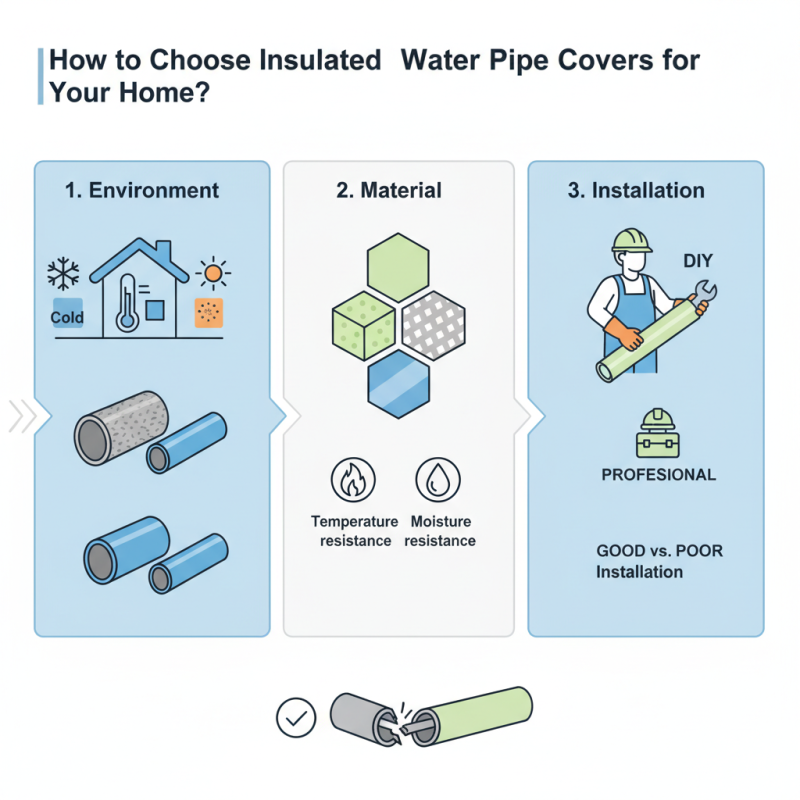
Picking out the right Insulated Water Pipe Covers for your house can actually be trickier than you might think. Honestly, a lot of folks tend to overlook this pretty important part of home upkeep. But here’s the deal—good insulation can save you a bunch of money, keep your pipes safe from damage, and help everything run more efficiently.
When you're shopping around for Insulated Water Pipe Covers, it’s a good idea to think about your environment first. Where you live really matters — in colder spots, you’ll probably want thicker covers so your pipes don’t freeze up. Also, pay attention to the material. Some types handle extreme temps way better than others. Each choice has its own ups and downs, so it’s worth weighing your options.
And don’t forget about installation. Most products come with some instructions, but some can be a bit tricky. Decide if you’re comfortable doing it yourself or if it’s better to bring in a pro. Messing up the install can lead to more frustration later on. Every home is a little different, so take your time to pick something that’s right for yours. Spending a little extra on quality Insulation Covers really can make a big difference in the long run.
Insulated water pipe covers play a vital role in maintaining the efficiency of your plumbing system. They help to regulate the water temperature, ensuring that pipes do not freeze in winter. This is especially important in colder climates, where frozen pipes can lead to costly repairs and water damage. Insulation minimizes heat loss, saving you on energy bills.
Choosing the right covers involves understanding the materials and thickness available. Some covers offer better insulation than others. A thicker cover may seem beneficial, but it can also be cumbersome. You might encounter options that don’t fit well or are difficult to install. It’s essential to find a balance between ease of use and effectiveness.
Considerations should also include your home’s specific needs. Different areas may require different types of insulation. For instance, outdoor pipes might need more protection than indoor ones. Reflect on the installation environment. Some covers may not hold up well against weather conditions. Assessing these factors can help you make informed decisions, leading to better long-term results.
When selecting insulated water pipe covers for your home, it's essential to understand the types available. You can find several materials designed for protection. Foam covers are popular. They are lightweight and easy to install. However, they often wear out quickly. The insulation value may not last through harsh winters.
Another option is fiberglass covers. They provide better Thermal Insulation. These covers can withstand extreme temperatures. But, they may be heavier and more challenging to fit. Some homeowners worry about their durability.Insulated Outdoor Pipe Covers should be checked regularly for fraying or damage. Allowing issues to go unnoticed can lead to costly repairs.
There are also custom-fit covers available. They can perfectly match your pipe's dimensions. This option ensures maximum insulation and protection. Still, they often come at a higher price. Many people hesitate to invest in them. While they can seem expensive, the long-term savings from preventing freezing pipes could be worth it. Choose wisely, as each type has its pros and cons.
When choosing Insulation Materials for your home's water pipes, several factors should come into play. The insulation's R-value is crucial. This value indicates thermal resistance. An R-value of 3-4 is typical for decent insulation. However, some materials offer higher values. Selecting higher R-values ensures better energy efficiency. According to the Department of Energy, insulating water pipes can reduce heat loss by 80% in some cases.
Another important factor is the climate. In areas with extreme temperatures, thicker Insulated Covers may be necessary. It’s essential to choose materials that withstand your local weather conditions. Some options may deteriorate quickly in humid areas. Durability is not just about the material; it’s also about how it’s installed. Poor installation can lead to gaps, making the insulation ineffective. Although some DIY methods seem appealing, they may require reconsideration.
Lastly, consider the ease of installation and maintenance. Some Insulated Covers are easier to work with than others. A complex installation might lead to mistakes. Regular checks can help you identify potential issues early. Research states that many homeowners overlook this aspect. Regular maintenance can increase the lifespan of insulated covers significantly. Choosing the right insulation material can greatly affect your home's efficiency.
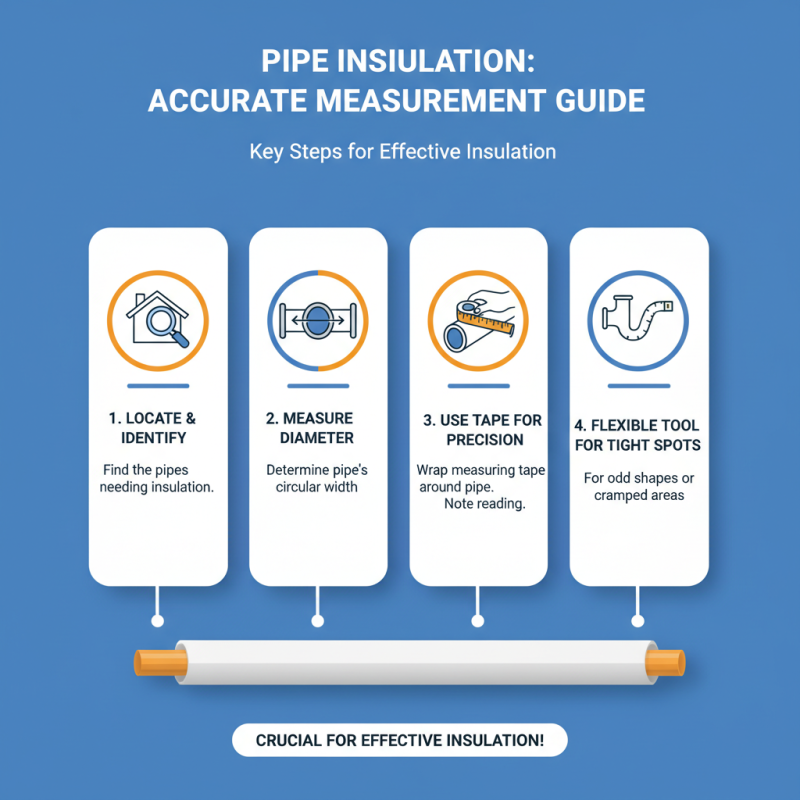
Measuring your pipes accurately is crucial for effective insulation. Start by identifying the area where your pipes are located. You need to measure the diameter of the pipes. Use a measuring tape for precision. Wrap it around the pipe, noting the measurement. For odd shapes or tight spots, a flexible measuring tool can help.
Additionally, consider the length of the pipes. Measure each section individually. If your pipes run for a lengthy distance, make sure you capture every curve and turn. This ensures the Insulated Pump Covers fit snugly, maximizing energy efficiency.
While measuring, do not forget about access points. Valves and joints can impact fit. Sometimes you may find hidden pipes in walls. It’s easy to miss these if you are not careful. Taking the time to measure thoroughly will save you from future adjustments and inefficiencies. Remember, when it comes to insulation, every inch counts.
When installing insulated water pipe covers, it’s vital to focus on proper fitting. The cover should snugly wrap around the pipe. Gaps can lead to heat loss, increasing energy bills. Use insulation tape to seal any openings. This additional step ensures maximum efficiency.
Before you start, measure the pipe’s diameter accurately. Different pipes require different sizes. Overly tight covers can crack, while loose ones won’t provide enough protection. If you find one that doesn’t quite fit, don’t hesitate to trim it. A pair of scissors should do the job.
Pay attention to the material of the covers. Some materials may not withstand outdoor conditions well. Insulated Outdoor Covers must be durable and weather-resistant. Rain and sun can wear them down quickly. Regularly inspect your covers for signs of wear, like cracks or peeling. Taking action early can save you time and money in the long run.
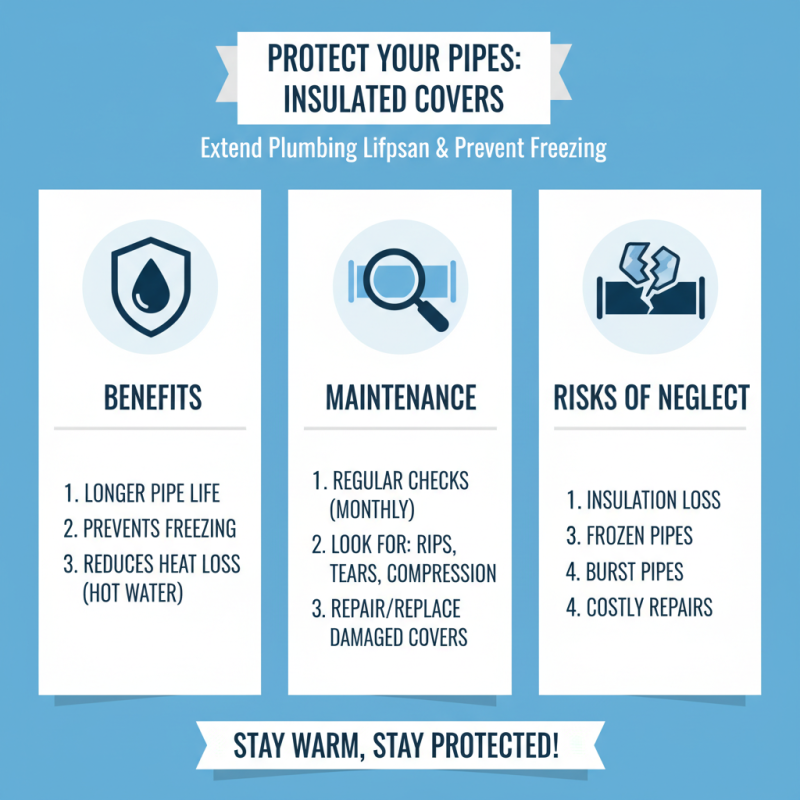
Insulated water pipe covers can extend the life of your plumbing. However, proper maintenance is crucial. Check the covers regularly for wear or damage. Small rips can lead to insulation loss. This may cause pipes to freeze during winter.
Cleaning the covers is also important. Use mild soap and water. Avoid harsh chemicals that can break down the material. Dust and grime can accumulate, compromising insulation efficiency. Routine cleaning will help maintain their protective qualities.
If you notice a significant temperature drop in your water, reconsider your covers. It might be time for replacement. Remember, neglecting maintenance can lead to costly repairs later. Keeping a regular check is essential for optimal performance.
Insulated water pipe covers are essential for protecting your plumbing. However, budgeting for these solutions can be tricky. Start by examining your pipes. Determine which sections require insulation. This will help you focus your spending.
Consider various materials. Options range from foam to fiberglass. Each type has a different cost and efficiency level. Foam is generally cheaper but may not provide maximum protection. Meanwhile, fiberglass could be more expensive but is more durable in extreme conditions.
Tips for budgeting wisely: Measure your pipe lengths carefully. Overestimating can lead to extra costs. Research local prices to avoid overpaying. Keep an extra cushion in your budget for surprises, like unplanned repairs. Being mindful of these factors can lead to smarter spending.
When selecting a detachable pipe Insulation Sleeve, understanding its specifications and performance characteristics is essential to ensure it meets your operational needs. One notable product parameter to consider is the thermal conductivity, which is less than 0.035 W/(m·K) at normal temperatures. This low thermal conductivity indicates excellent insulation performance, minimizing heat loss and energy consumption in industrial applications. The ability to withstand temperatures ranging from -70°C to 1000°C makes it suitable for a diverse range of environments, whether you’re dealing with extremely cold or high-temperature piping systems.
Additionally, the material density of 100-200 kg/m3 combined with a thickness of 35mm-50mm offers substantial sound and thermal insulation. The insulation’s flame retardant performance, classified as A grade non-flammable, ensures safety by reducing fire risks in various settings. Furthermore, its robust anti-corrosion properties provide resistance to acids, alkalis, and other corrosive agents, enhancing its longevity and reliability in harsh conditions. With a lifetime exceeding 10 years, this insulation solution delivers not only efficiency in energy conservation but also long-term durability, making it an ideal choice for any facility aiming for sustainability and safety in their operations.
: It promotes creativity and builds social skills. Participants often express themselves more freely.
Anyone can join. Age or background does not matter. It's inclusive.
Typically, sessions last about one to two hours. Sometimes, they can run longer depending on engagement.
Participation may vary. Some events are free, while others might have a small fee to cover expenses.
Bring a notebook and a pen. Some may prefer to bring art supplies or any personal items.
Yes, participants can step out at any time. Comfort is important and should be prioritized.
Engaging in discussions often helps. Making eye contact and sharing ideas can also create a bond.
No experience is needed. All levels of ability are welcome. Participants grow through practice and participation.
It's normal to feel shy or anxious. Take your time to open up. Reflection can help improve confidence.
Feedback is often welcomed. You may share thoughts verbally or write them down for future improvement.
Insulated Water Pipe Covers are essential for protecting plumbing in your home from temperature extremes, which can lead to costly damage. Understanding the importance of these covers, it is crucial to explore the various types available and consider factors such as insulation material, pipe measurements, and installation techniques. Proper installation and regular maintenance are key to ensuring the longevity and effectiveness of the insulation, ultimately contributing to energy savings and improved comfort.
When budgeting for insulated water pipe solutions, a cost analysis can help homeowners make informed decisions. By weighing the benefits and options available, selecting the right Insulated Water Pipe Covers can enhance your home's efficiency while reducing the risk of pipe freezing or leaks during colder months.